1. Plan with the owner
The crew talks through what is known, what the smell suggests and which parts of the building may be affected.
China, TX · Jefferson County
Dealing with a dead animal on a China lot, porch or garage floor? Call (877) 812-4220 to get safe pickup, cleaning of stains and fluids, and disinfection of the spot.
If anyone is in danger, call 911 first. For a suicide crisis, call or text 988.
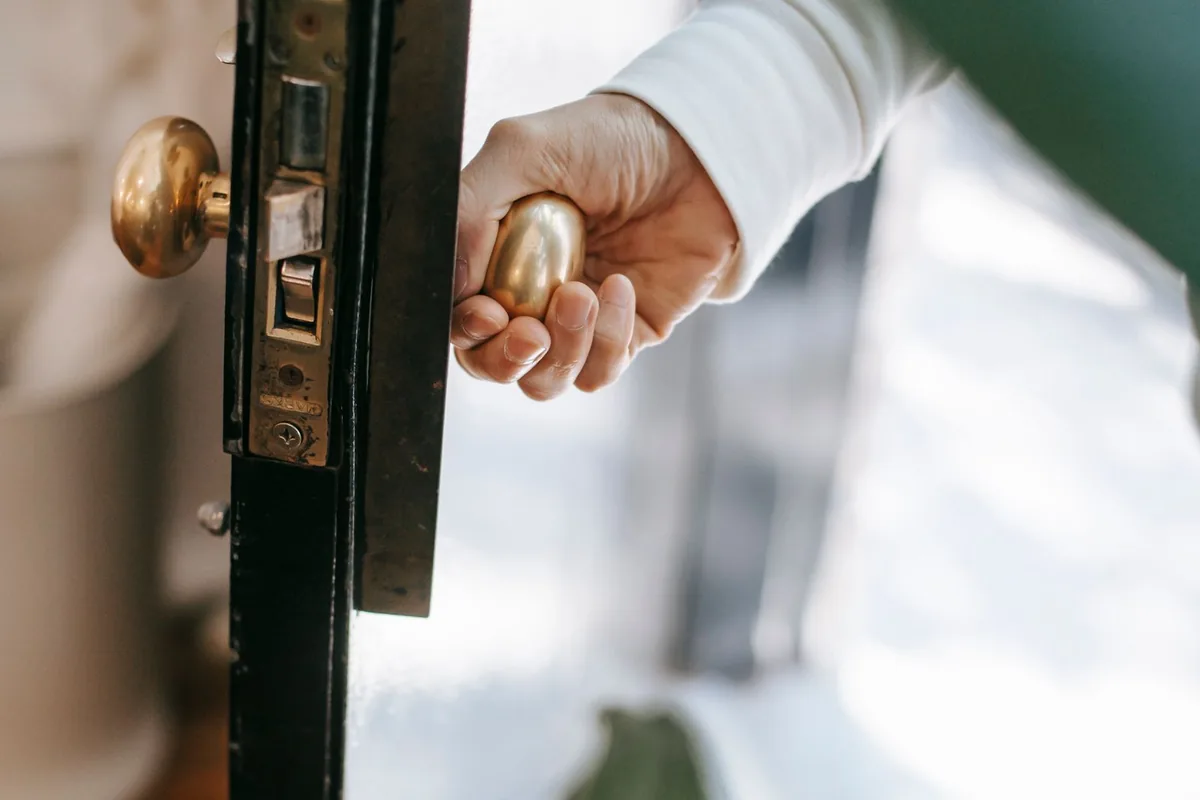
Dead animal decontamination is the final cleaning stage after a carcass is gone. It lowers germs on surfaces and helps remove the odor, using EPA-registered disinfectants and sealed disposal of waste.
Need residential or commercial dead animal cleanup in China or nearby parts of Jefferson County? Wherever it is in your property, whether walls, ceilings, duct runs, chimneys, crawl spaces, porches or storage rooms, call China Biohazard Cleanup Help.
With roughly 62 inches of annual rainfall in China, damp crawl spaces and wall voids make dead animal fluids and odor linger longer. About 51% of homes in China were built before 1980, and older houses often have more gaps, chimneys and crawl spaces where animals can get in and die.
A typical dead animal removal & cleanup job includes:
The crew talks through what is known, what the smell suggests and which parts of the building may be affected.
The team sets up protective equipment and creates safe access, using a camera or a small opening when the animal is hidden.
The carcass, nest and soaked insulation are packed out, and the area is cleaned to bare structure.
Surfaces are disinfected and odor is treated, so the space is comfortable to use again.
Most dead animal removal & cleanup jobs in China, TX cost between $150 and $250, based on published cost guides.
Insurance may help in some cases, but many homeowners policies exclude damage from animals or pests. Ask your insurer exactly what applies before work starts.
| Type of job | Typical range |
|---|---|
| Dead animal removal | $150 - $250 |
| Dead animal removal | $150 - $250 |
Figures are planning ranges from Bob Vila, HomeAdvisor, not a price for any specific China property. Price drivers include where the animal is, whether walls must be opened, size of the animal, odor and cleanup afterward. Call (877) 812-4220 any hour.
Do not touch it bare-handed. Wear heavy gloves, place it in a heavy bag, seal it and dispose of it according to local rules. Wash your hands well afterward. If it is large or you are unsure, call for help.
Hard surfaces, wood framing and items in sealed containers can usually be cleaned and kept. Insulation, carpet, padding and drywall that soaked up fluids are generally removed. The crew sorts items with you before anything is thrown out.
Insulation soaks up fluids and odor and cannot be reliably cleaned. Leaving it in place means the smell can return. Replacement insulation is usually a separate job.
The air itself is rarely the main concern, but germs on the carcass and fluids, plus flies and other pests, can spread through the home. The odor can also bother people with asthma. Prompt removal lowers the risk.
The smell comes from the carcass and any fluids, so the animal has to be found and removed. Air fresheners only cover it. After removal, the area is cleaned and treated, which usually clears the smell.
No. Cleanup removes the carcass and odor but does not close entry points. A wildlife or pest professional can seal gaps. Removing odor does help, since scent can draw other animals to the same spot.
A dead animal can carry germs, so protection comes first.
Call (877) 812-4220